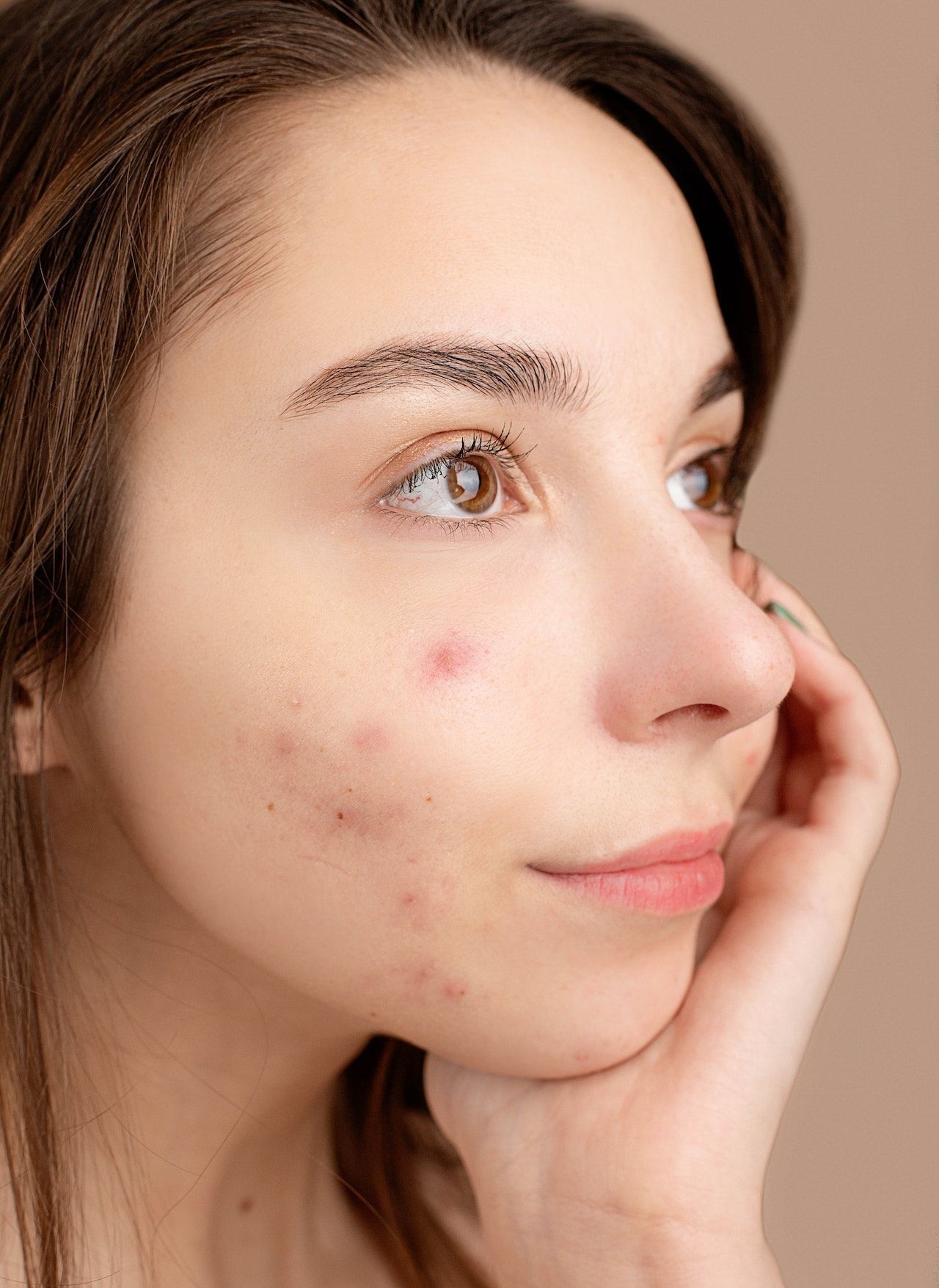
Isotretinoin (Roaccutane)
It is a vitamin A derivative which reduces the production of sebum(oil) and inhibits the overproduction of keratin that blocks the pores.
Severe acne causes deep, painful cysts and nodules which lead to scarring. When other treatments, including antibiotics, fail to clear the skin, Isotretinoin may be considered.
Due to possible side effects, it must be prescribed and supervised by a doctor experienced in managing patients using Isotretinoin.
During a consultation your doctor will discuss the risks and benefits of Isotretinoin. This will help both you and your doctor decide whether this medication is the right option for you.
Key facts:
- Patients tend to notice the effects of Isotretinoin after a week to ten days. At the beginning of the treatment, your skin may get worse before it starts to improve.
- Your doctor will do a blood test before you start taking Isotretinoin and regular blood tests during your treatment to check for side effects.
- Your lips and skin may become very dry and sensitive to sunlight during treatment. Using lip balm, moisturisers and a high protection sunscreen is vital.
- It is very important not to become pregnant while taking Isotretinoin and for at least 1 month after stopping.
- A treatment course of Isotretinoin usually lasts for 4 to 6 months. Most people have clear skin after that time, but some will need another round of treatment.
Isotretinoin is an excellent medication for patients suffering with cystic acne. It clears the skin and reduces the risk of further scarring.